How Hiring a Professional Plumber Saves You Time and Money
Employing a professional plumber delivers substantial value for homeowners. Their proficiency facilitates quick identification of concerns, preventing small matters from worsening. Additionally, professional plumbers use advanced equipment that guarantee accuracy and conformity with local regulations. This compliance not only protects against potential violations but also minimizes future maintenance expenses. Appreciating these advantages raises important questions about the pitfalls of DIY projects and how to choose the right expert for the job.
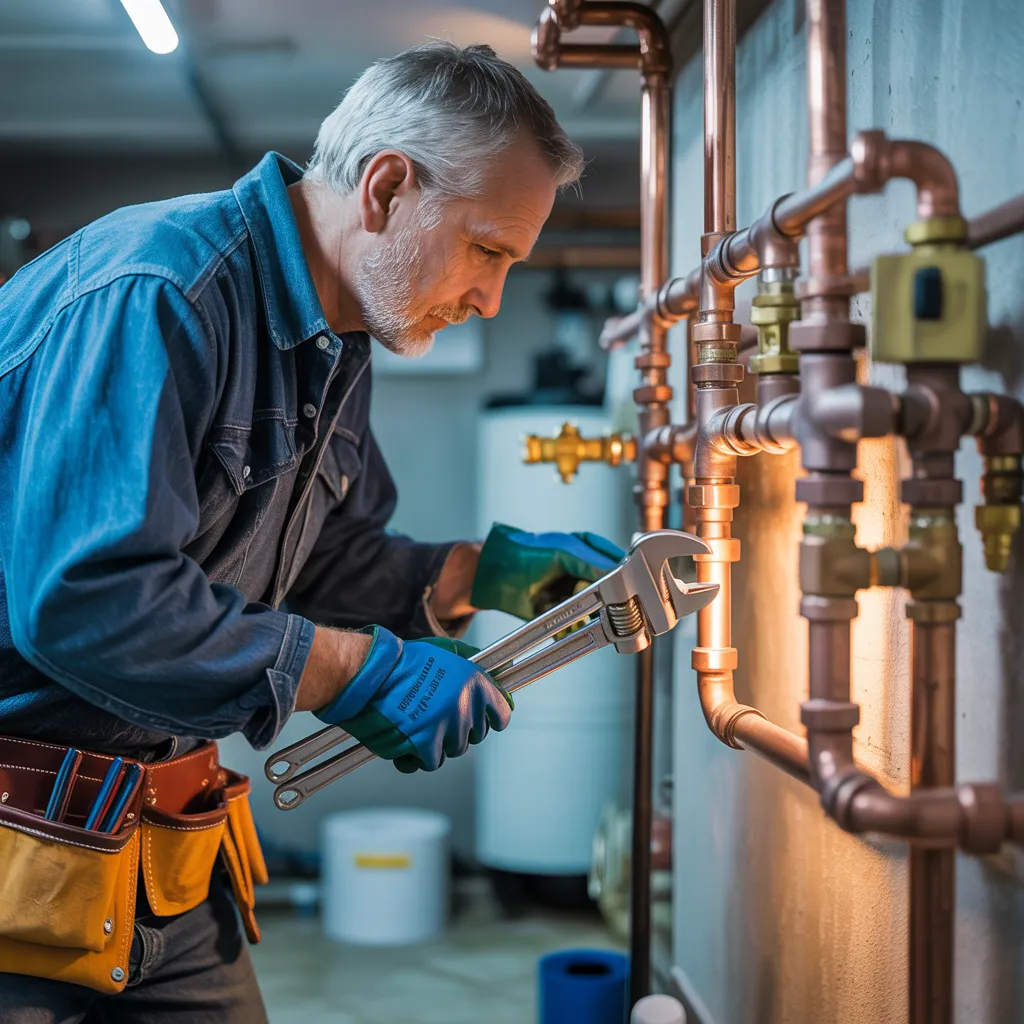
Typical DIY Plumbing Blunders You Should Avoid
Many homeowners underestimate the complexities of plumbing, causing frequent DIY errors. A common mistake is the incorrect use of equipment, which can harm plumbing components. A great number of homeowners also neglect to turn off the water supply before initiating repairs, resulting in flooding and further complications. Underestimating the extent of leaks often leads to temporary fixes that fail, generating more significant issues over time.
A frequent issue is selecting improper sealants or adhesives, which can deteriorate when exposed to pressure or temperature variations. Homeowners often neglect local plumbing codes, leading to possible fines or dangerous installations. Furthermore, failing to adequately assess the problem can lead to misguided repairs, squandering valuable time and financial resources. In many cases, these errors could readily be prevented by hiring a qualified professional plumber, who has the expertise and understanding to address plumbing issues effectively and efficiently from the start.
The Hidden Costs of DIY Plumbing Repairs
Even though DIY plumbing repairs can seem like a money-saving option initially, homeowners frequently fail to consider unexpected financial burdens that can arise from these projects. First, acquiring equipment and materials can accumulate into significant costs, particularly when specialized tools are needed. These financial burdens can be further increased if the homeowner is forced to acquire supplies multiple times due to inaccurate measurements or calculation errors.
Additionally, numerous DIY repairs can unintentionally result in further damage, escalating repair costs. For example, an poorly fixed leak might result in water damage, mold growth, or structural issues that demand professional intervention. Homeowners may also face time losses, as untrained individuals might spend considerably longer on repairs than expected.
Additionally, the lack of warranties or guarantees on DIY work can lead to future expenses if issues arise again. In general, what starts as a budget-friendly approach can evolve into a costly endeavor, making hiring a professional plumber a more prudent choice in the overall scheme of things.
Rapid Assessment by Skilled Plumbers
Skilled plumbing experts possess extensive knowledge in quickly detecting plumbing problems. Using sophisticated diagnostic technology, they can effectively identify concerns that might go unnoticed by non-professionals. This efficiency not only saves time but also prevents unnecessary deterioration, providing a more reliable restoration process.
Expertise in Identifying Issues
When dealing with plumbing issues, homeowners often find themselves challenged by the complexity of the problems at hand. Professional plumbers hold the skills to quickly pinpoint underlying issues that may not be obvious at first glance. Their comprehensive education and field experience allow them to recognize patterns and symptoms, enabling them to differentiate between minor inconveniences and significant threats to the residential plumbing infrastructure. This expertise eliminates the speculation involved in diagnosing problems, ensuring that the right solutions are executed in a timely manner. By correctly diagnosing problems, professional plumbers can stop further deterioration and expensive fixes, ultimately benefiting homeowners in terms of time and cost. Their expert understanding is invaluable in working through the often-confusing world of plumbing complexities.
State-of-the-Art Diagnostic Tools
Employing advanced diagnostic tools, plumbing professionals can rapidly diagnose and fix plumbing concerns with precision. These tools, such as inspection cameras and electronic leak detectors, empower specialists to pinpoint problems concealed within walls or beneath the ground. By providing a clear view of pipes and plumbing networks, they reduce the guesswork often involved in plumbing repairs. These innovations not only enables faster diagnoses but also reduces the requirement for invasive procedures, allowing homeowners to conserve time and resources. Furthermore, advanced diagnostic tools help plumbers develop in-depth assessments, supporting thoughtful determinations regarding repairs and maintenance. Overall, relying on these cutting-edge approaches boosts the capability and quality of plumbing services, guaranteeing problems are addressed quickly and precisely.
How Expert Tools Improve Plumbing Repairs
Even though many homeowners consider tackling plumbing repairs on their own, employing professional-grade tools greatly boosts the effectiveness and precision of plumbing work. Professional plumbers utilize specialized equipment such as pipe cameras, which provide accurate detection of underlying issues within pipe systems. This capability enables accurate diagnosis of problems, reducing the likelihood of costly mistakes.
Moreover, devices like hydraulic drain cleaning equipment and trenchless repair methods can speed up repairs that would typically take days or even hours. These technological developments minimize property damage and confirm that restoration is done in a timely manner. High-quality professional fittings and wrenches also ensure a long-lasting and dependable bond, avoiding potential leaks that may develop from substandard amateur repair work.
Moreover, the proper tools assure compliance with professional standards, giving homeowners confidence. By employing sophisticated equipment, skilled plumbers produce superior repairs that not only minimize time wasted but also reduce extended costs linked to plumbing mishaps.
Why Following Plumbing Codes Keeps You Safe?
Following plumbing codes is critical for ensuring safety and functionality in every plumbing system. These codes are created to minimize hazards related to plumbing installations, handling potential issues such as leaks, water contamination, and structural damage. Compliance with these regulations guarantees that materials and methods used in plumbing are verified and confirmed to be safe.
When plumbing regulations are adhered to, the likelihood of expensive repairs and health concerns diminishes significantly. For instance, poor drainage can result in standing water, promoting mold proliferation and presenting health dangers. Furthermore, regulations mandate adequate venting systems to avoid dangerous gas accumulation.
Employing a professional plumber who understands these codes ensures that installations are performed correctly, reducing the risk of dangerous situations. At its core, adherence to plumbing codes not only protects the soundness of the plumbing system but also secures the health of residents, making it a crucial element of any plumbing project.
Why Professional Plumbing Is a Time-Saving Solution
Expert plumbers provide expertise that enables them to swiftly pinpoint concerns that might otherwise take a homeowner considerable time to recognize. Their efficient repair solutions not only address the problem effectively but also minimize downtime, facilitating a rapid return to normal household operations. By trusting qualified experts, homeowners can save valuable time and avoid the frustration of trial-and-error repairs.
Professional Problem Diagnosis
Identifying plumbing issues is often a complex process for homeowners, often leading to unnecessary delays and costly mistakes. Professional plumbers possess the expertise to effectively pinpoint concerns rapidly. Their training and experience enable them to detect clues and signals that might go unnoticed by an inexperienced individual. With the aid of professional tools and strategies, they can determine the true origin of concerns, such as leaks or clogs, rather than just addressing surface symptoms. This skilled evaluation not only saves time but also prevents further damage, which can escalate repair costs. Homeowners can trust that a skilled plumbing specialist will evaluate the circumstances completely, offering reassurance and making assessment certain that the plumbing system performs reliably.
Professional Repair Solutions
When plumbing problems occur, swift and effective repairs are essential to reduce interference in everyday routines. Expert plumbers carry the proficiency to rapidly diagnose issues and apply fixes. Their experience enables them to handle challenging problems that might confuse an inexperienced person. By using specialized tools and techniques, they can often resolve plumbing problems in a fraction of the time than an untrained person could manage. This proficiency not only reinstates order but also prevents minor issues from escalating into costly repairs. Furthermore, skilled plumbers comply with safety regulations, reducing the risk of further damage or injury. Ultimately, employing a professional confirms that plumbing concerns are resolved quickly and competently, conserving significant time and effort.
Tips for Hiring the Right Plumber
Identifying the most suitable plumber can considerably impact the quality and cost of household repairs, especially when plumbing issues arise suddenly. To ensure a successful vetting process, residents should start by investigating local plumbers. Internet reviews and suggestions from loved ones and colleagues can supply important details.
Furthermore, it is important to confirm proper credentials and liability protection. A certified plumber should carry the appropriate credentials and have insurance to prevent potential losses. Furthermore, requesting multiple estimates can assist homeowners in comparing compare prices and services.
Communication is also vital; a reliable plumber must be prepared to describe the problem and suggested fixes in a straightforward manner. Finally, ask for references to gauge their reliability and workmanship. By adhering to these suggestions, homeowners can make informed decisions when selecting a plumber who fulfills their expectations and delivers reliable repairs, resulting in significant savings of both time and money.
Commonly Asked Questions
How Do I Determine if My Plumbing Issue Requires Immediate Attention?
A plumbing problem qualifies as critical when it includes serious leaks, sewage overflow, or a drop in water pressure. Prompt attention is essential so as to eliminate further damage, higher repair costs, and potential health risks linked to neglected plumbing concerns.
What Certifications Should a Qualified Plumber Hold?
An expert plumber must have appropriate certifications, licenses, and thorough training. They ought to also demonstrate proficiency in multiple plumbing systems, understanding of local plumbing codes, and the ability to troubleshoot effectively, delivering high-quality service to all customers.
Should I Trust Online Reviews to Find a Reliable Plumber?
Online reviews are capable of delivering meaningful insights about a plumber's trustworthiness and standard of work. However, one should approach them with caution, considering potential biases and the overall volume of reviews for a balanced perspective.
What Is the Typical Duration of a Plumbing Repair?
A typical plumbing repair typically requires between one to three hours, subject to the complexity of the repair. Factors such as accessibility, type of repair, and necessary materials can influence the overall duration considerably.
What Are the Typical Warning Signs of Plumbing Problems in My Home?
Common signs of plumbing issues include sluggish drains, water marks on ceilings or walls, strange sounds from pipes, inconsistent water pressure, and lingering odors. Detecting these indicators at an early stage can reduce the risk of extensive damage and high repair costs.